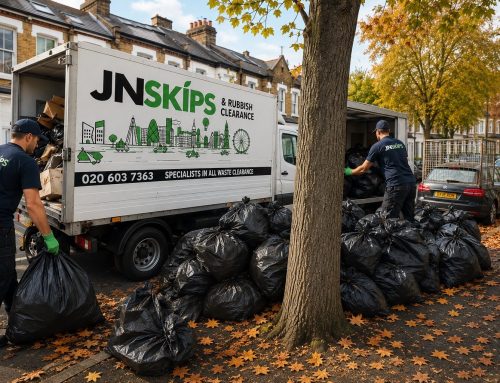
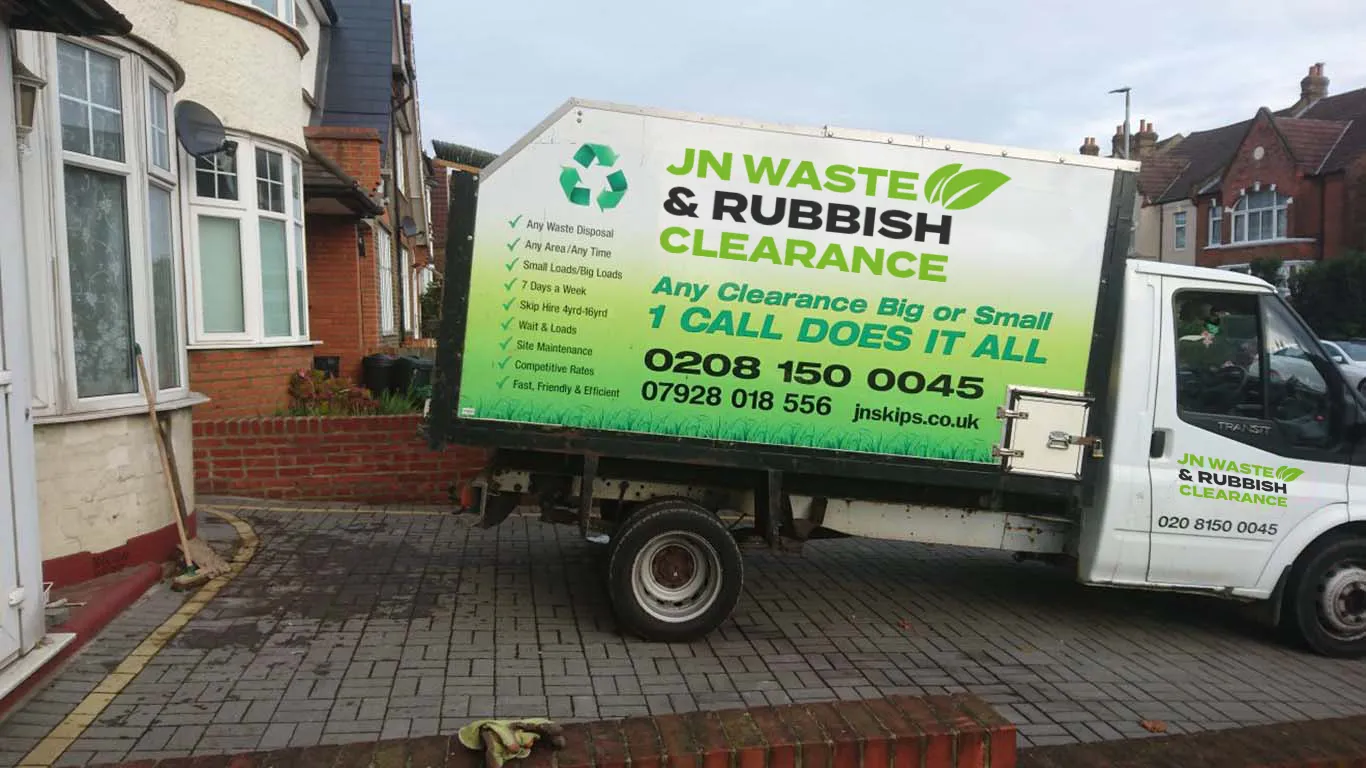
All businesses generate waste. From the most famous restaurant to the office tower, commercial waste is generated every single day. The category of waste in commercial space is very broad. Commercial waste disposal includes office paper, old computers, display stands, salon waste, workshop waste, and more. It’s the source that counts. If it was generated as a result of commercial activity, it is commercial waste and should be disposed of in a proper manner. Here’s all you need to know about commercial waste clearance in the UK.
What Is Commercial Waste?
Commercial waste is waste generated by a trade, business, or commercial enterprise. This can range from discarded cardboard boxes and damaged office furniture to rice and vegetable scraps from a restaurant’s kitchen or timber from a refurbishment. It is not the same as residential waste, so you can’t put your business waste in the household rubbish bin or drop it off at a residential recycling center. You especially need waste clearance experts.
Why Commercial Waste Clearance Matters for Businesses?
Many businesses don’t realise the impact of professional commercial waste clearance on their operations. Piles of rubbish outside your business look unprofessional. Business waste problems include health and safety risks and can discourage potential customers from entering the business.
- Waste removal services provide a clean, clutter-free environment, which maintains employee productivity.
- Commercial waste disposal is important for legal compliance.
- To create a workspace that’s free from hazards
- Save expenses related to the implications of waste materials in the long run.
- Gives a better customer experience by enhancing the brand image
A commercial rubbish removal service helps with compliant, responsible waste management.
UK Commercial Waste Regulations Every Business Must Know
The duty of care waste UK is a legal obligation under the Environmental Protection Act 1990. UK commercial waste regulations require you to take responsibility for your waste from creation to disposal.
- You must store waste safely to prevent leaks or damage. A licensed waste carrier must transport it.
- You must retain the waste transfer notes, as they serve as evidence that you properly disposed of the waste.
- UK waste regulations for commercial businesses also require segregation of waste streams, including food waste, dry recyclables, and general waste.
In recent years, UK regulations have been strengthened. Hiring a licensed waste carrier UK service means you don’t have to worry about these rules and can focus on running your business.
Types of Commercial Waste Clearance Services
There are many types of commercial waste clearance services in the UK. These include office, retail, industrial, warehouse, and financial institution waste management.
The most popular are scheduled waste collections for offices, one-time removals for business moves or refurbishments, and specialised business waste collection for specific waste such as e-waste, hazardous waste, or construction waste.
Office waste clearance includes disposal of paper, furniture, electronics, and other similar waste. Waste removal for restaurants and other food-related businesses can involve packaging and food waste, tissues, boxes, utensils, and other restaurant-related waste.
Construction companies typically require skips or grab trucks. It’s important to find a company that will tailor its services to your needs, rather than offering a single plan for every business.
How Much Does Commercial Waste Clearance Cost in the UK
Commercial waste clearance cost UK vary based on the amount and type of waste, collection frequency, location, and whether you have special handling requirements for certain waste types. Prices are generally lower in cities, where there is more competition, but higher in rural areas.
It’s important to get quotes from different companies. The offering may be per collection or at a monthly rate. If you have an idea of how much waste you produce a week, you can decide which option is best. Don’t cut corners by using an unlicensed waste carrier to save on cost. You will get the best price for business waste removal from a reliable and reputable company.
How to clear commercial waste in the UK
The commercial waste disposal process is simple with the right provider. You are given a quote after you contact a provider, explain the waste and volume to be cleared, book a date and get transfer notes after the waste is gone. A survey may be undertaken for larger volumes.
In short, commercial waste clearance will protect your business, ensure compliance, and save you time to do what matters. In case of confusion, the experts at a professional company are always available to assist you with the exact business waste disposal steps.
How to Choose a Reliable Commercial Waste Clearance Company
Looking for commercial waste clearance near me? There are many providers in the market, but all have different efficiency and standards. Selecting the wrong one can cause compliance issues, damage reputation, and lead to other delays. Here’s how to choose the best commercial waste clearance in the UK:
- Understand the type of waste your company produces
- Ensure you book a fully licensed waste carrier in the UK that also has vehicles licensed to dispose of waste.
- Should be reliable and responsive
- Competitive pricing without any compromise on quality
- Check reviews, testimonials, and case studies.
Conclusion
If you want to maintain business efficiency and comply with environmental regulations, you need to select a reliable commercial waste collection service provider. Consider the range of service. JN Skips provides commercial waste clearance services in the UK, also helping you with clearance even on short notice. Get in touch with the experts to get a commercial waste quote.
FAQ
What is commercial waste?
Commercial waste is any waste generated by commercial, trade, or business activity. Examples are office waste, packaging, kitchen food waste, broken furniture, and waste from office refurbishment.
What is the duty of care?
The duty of care means businesses must arrange for their waste to be collected by a licensed waste carrier. If you don’t, it’s possible your business could face fines.
How frequently should a business have its waste collected?
The answer to this question will vary depending on the amount of waste your business produces. Businesses that generate a lot of waste, such as restaurants and shops, may require daily or weekly pickups. Smaller businesses, like offices may do a fortnightly collection.
Can I use a skip for commercial waste removal?
Yes, skips are often used to clear large amounts of waste, such as during office or home renovations. Ensure the skip company is licensed to carry commercial waste, and you get a receipt for disposal.