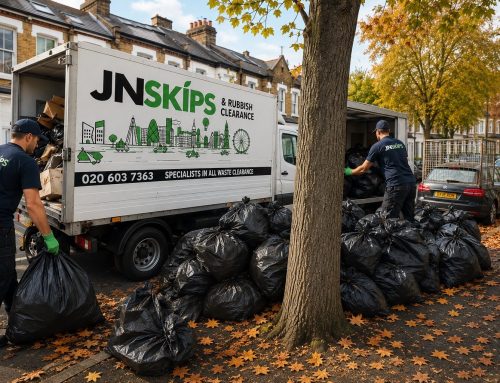

As waste levels continue to rise, responsible rubbish management has become more important than ever. Because of this, dealing with waste the right way is more important than ever. It’s not just about keeping places tidy; it also helps protect the environment, saves natural resources, keeps people healthy, and supports the economy. JN Waste Clearance, a trusted name in the waste industry, shows how proper rubbish collection and recycling can help build a cleaner and greener future for everyone.
Why is Waste Management Important?
Proper waste management protects the health of people as well as the world we live in. Proper methods of waste handling also prevent air and water pollution, soil erosion, reduce greenhouse emissions, and support recycling. It also promotes legal and environmental adherence from businesses and individuals, ensuring that communities are clean and safe.
1. The Environmental Side
Less Waste to Landfill: Rubbish Removal in Croydon ardently champions reducing waste consigned to landfills. Landfills release harmful gases into the air and can leak dirty liquids into the ground, which can reach our water supply. Cutting down landfill use helps keep our planet cleaner and safer.
Saving Natural Resources: By recycling more, we use fewer raw materials like wood, metal, or oil. JN Waste encourages reusing and recycling to protect the earth’s limited resources and reduce the need for constant mining and cutting down trees.
Protecting Nature and Wildlife: When dangerous waste isn’t disposed of properly, it can harm animals and their habitats. JN Waste helps stop pollution by making sure harmful materials are dealt with safely, which keeps ecosystems healthy.
2. Economic Benefits
Saving Money: Smart waste management can help businesses save money. By using fewer materials and sorting waste properly, companies can cut costs on rubbish removal. Even small changes like using separate bins in the office can make a big difference.
More Jobs: The recycling and waste industry creates lots of jobs — from bin collectors to workers at sorting centres. JN Waste points out that as recycling grows, so does the number of people working in this sector.
Business Opportunities: Materials taken from waste can be used again in new products. This creates chances for businesses to make and sell recycled items, boosting both the economy and the environment.
3. Social and Health Benefits
Keeping People Healthy: If waste is not handled properly, it can lead to disease and dirty water. JN Waste makes sure dangerous waste is dealt with safely, helping to protect the health of people and communities.
Better Communities: Clean streets and green spaces make life better for everyone. JN Waste believes a tidy, well-managed area helps people feel happier and more comfortable where they live.
Raising Awareness: One of the key goals of JN Waste is to teach people about the importance of recycling and reducing waste. They believe that small actions, when shared widely, can lead to big changes.
4. Challenges and Looking Ahead
Better Rules and Support: JN Waste says we need stronger rules and better support from local councils and governments to help everyone recycle more and waste less.
Working Together Globally: Waste is a worldwide issue. JN Waste believes countries need to share ideas and work together to find better solutions.
Changing Habits: Big change also starts with us. By making smarter choices, like using less plastic and recycling properly, people can help reduce the amount of waste we create every day.
5. Creating Jobs
The waste industry supports thousands of jobs. From collection teams to recycling centre staff, this sector plays a big part in keeping people employed and the economy moving.
Conclusion
Waste management is important for many reasons. JN Waste shows that by handling our rubbish properly, we can protect the environment, save money, improve public health, and create jobs. Whether at home or at work, taking simple steps like recycling and reducing waste can lead to a cleaner, safer, and more sustainable future for everyone.
FAQs
What are the benefits of proper waste disposal?
Getting rid of waste the right way stops harmful rubbish from hurting the land, air, and water. It also keeps towns cleaner, saves money, and supports local jobs.
What part of the waste management process is the most critical?
Importance is placed on disposal reduction as the most critical stage of waste management. This is because it is easier to prevent waste generation than deal with it, which is a method for treating it. Through better design and purchasing through smarter consumption, we can ease the burden that is placed on disposal systems and the environment.
How does recycling help the environment?
Recycling means we don’t need to take as many raw materials from the earth. It also uses less energy and makes less pollution than making new products from scratch.
What method of waste management is most effective?
The best way is to make less waste. After that, it’s better to reuse, recycle, and compost. Burning waste for energy comes next. Putting rubbish in a landfill should be the last option.